
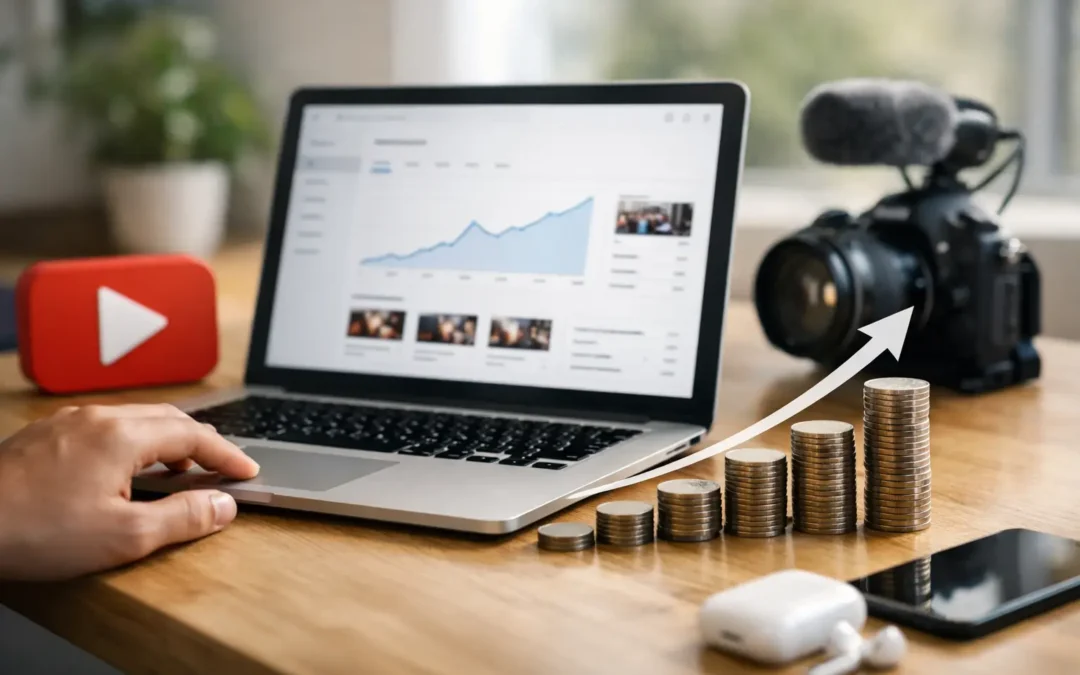
If you're asking how to make my YouTube channel grow faster, the frustrating part is usually not effort. It's direction. Many creators post consistently, improve their editing, and still feel stuck because the channel is not built around the signals YouTube actually rewards: viewer satisfaction, clear positioning, and repeatable topics that earn clicks.
Fast growth on YouTube rarely comes from doing everything. It comes from doing a few high-impact things extremely well, then repeating them long enough for the algorithm and your audience to trust your channel. That is good news, because it means growth is not random. It is strategic.
How to make my YouTube channel grow faster without burning out
The fastest-growing channels usually look simple from the outside. Underneath, they are making disciplined choices about content focus, packaging, retention, and publishing rhythm. If your goal is quicker growth, start by tightening your system instead of chasing every tactic you see online.
A common mistake is trying to improve ten variables at once. New thumbnails, new upload days, new niches, longer videos, shorts, live streams, collaborations, paid gear. That creates motion, but not always progress. The better approach is to identify the biggest bottleneck in your channel and fix that first.
For some creators, the problem is weak topic selection. For others, it is low click-through rate or videos that lose viewers in the first 30 seconds. Your analytics can tell you where to focus, but only if your content strategy is clear enough to measure.
Pick a channel direction viewers can understand
YouTube growth speeds up when people instantly understand what your channel is for. If a new visitor lands on your page, they should be able to answer one question within seconds: why should I subscribe here instead of anywhere else?
That does not mean every video must be identical. It means your channel needs a strong center. If you teach fitness, are you helping beginners lose weight at home, helping busy professionals build muscle, or reviewing workout programs? If you run a business channel, are you teaching local marketing, content strategy, or YouTube lead generation?
Broad channels often grow slowly because the audience signal is mixed. When one video is about camera gear, the next is a daily vlog, and the next is a motivational rant, YouTube has a harder time finding the right viewers. Your subscribers also have less reason to return consistently.
A tighter niche can feel limiting at first, but it usually creates momentum. Once momentum exists, expansion becomes easier.
Make better video ideas before you make better videos
Creators often think growth problems are production problems. Sometimes they are. But weak ideas can sink even well-edited content.
A strong YouTube idea sits at the intersection of audience desire, clear curiosity, and channel relevance. It solves a problem, answers a question, or promises a specific result. Viewers should understand the value quickly.
Instead of planning videos around what you want to say, plan them around what the viewer wants solved. Compare these examples: "My Thoughts on YouTube" versus "Why Your YouTube Videos Stop Getting Views." The second one is more specific, more urgent, and easier to click.
This is where creator discipline matters. Before recording, ask whether the topic is searchable, clickable, and worth watching all the way through. If one of those pieces is weak, the video will have a hard time carrying your channel forward.
Your title and thumbnail decide whether growth happens
If nobody clicks, nothing else matters. A stronger thumbnail and title pair can improve performance faster than a camera upgrade ever will.
Good packaging creates a clear promise. It does not explain everything. It creates enough curiosity and clarity that the right viewer wants more. That means avoiding vague titles, cluttered thumbnails, and visuals that require too much effort to understand on a phone screen.
Your title should focus on the outcome, tension, or mistake. Your thumbnail should support that message, not repeat it word for word. Think of them as one combined pitch.
There is a trade-off here. High curiosity can earn clicks, but misleading packaging hurts retention and trust. If viewers feel tricked, your growth slows over time. The best-performing channels make promises they actually deliver.
Hold attention early or lose momentum
One of the fastest ways to grow is improving retention, especially at the beginning of your videos. You do not need cinematic editing. You need a stronger opening.
Most viewers decide quickly whether to stay. Long intros, generic branding, and slow setups give them a reason to leave. Start with the problem, the promise, or the payoff. Tell them what they are about to get and why it matters.
Then keep the structure moving. Every section should earn the next one. That might mean tightening pauses, cutting repetitive points, adding examples sooner, or showing the result before explaining the process.
Retention is not only about speed. It is also about relevance. If your title promises one thing and your first minute wanders somewhere else, viewers drop. When retention rises, YouTube gets a stronger signal that your content satisfies viewers, which can lead to broader distribution.
How to make my YouTube channel grow faster with SEO that actually helps
YouTube SEO matters, but not in the old-fashioned sense of stuffing keywords into everything. Search optimization works best when it supports strong content, not when it tries to rescue weak content.
Use the language your audience is already searching for in your titles, descriptions, and spoken content. Build videos around real questions, recurring problems, and beginner pain points. This is especially powerful for newer channels because search can bring steady, targeted traffic while your recommendation engine is still developing.
That said, not every growth video should be search-first. Some topics perform better because they trigger curiosity and broader interest. A healthy channel often mixes searchable tutorials with higher-click potential videos built for browse and suggested traffic.
If you are a beginner, this balance matters. Search can help you get discovered. Browse can help you scale. Tubeskill's broader teaching approach works because creators need both.
Publish consistently enough to learn, not just to stay busy
Consistency helps, but only if it creates useful feedback. Uploading three rushed videos a week is not always better than one strong video that teaches you something.
The real value of consistency is pattern recognition. When you publish on a manageable schedule, you can compare topics, thumbnails, retention curves, and audience response. That is how channels improve faster.
Choose a pace you can sustain for at least three months. For many solo creators, that is one long-form video per week, with shorts or clips as support if they fit the strategy. If shorts attract the wrong audience or distract from your main content, they may not help. It depends on your niche and monetization goals.
Faster growth is usually tied to a better feedback loop, not a more exhausting one.
Use analytics to find the real problem
If your videos get impressions but low clicks, improve packaging. If they get clicks but weak watch time, improve the opening and structure. If a few videos perform well but most do not, study topic patterns. Growth gets easier when you stop treating all underperformance as the same issue.
Pay attention to click-through rate, average view duration, and the first 30 seconds of audience retention. Also watch which videos bring subscribers and which ones create return viewers. Those metrics tell you not only what got attention, but what built audience loyalty.
Do not overreact to one video. Look for trends across five to ten uploads. One outlier can mislead you. Repeated patterns can guide your next move.
Build a library, not just a feed
Channels that grow faster usually create momentum between videos. One strong upload brings viewers in, but a connected content library gives them reasons to stay.
That means your videos should lead naturally into each other. If someone watches your beginner camera setup video, your next best video might be basic lighting, editing for beginners, or how to make videos look more professional on a budget. Each video should open the door to another one.
This approach increases session time and builds trust. It also makes content planning easier because you are not inventing random topics every week. You are expanding a strategic library around your niche.
Growth gets faster when viewers know what to expect
Creators often want every upload to be a breakout hit. But channels usually grow through repeated proof. When viewers see a consistent promise, a reliable format, and regular improvement, they are more likely to return, subscribe, and recommend your content.
That does not mean becoming predictable in a boring way. It means becoming dependable in a useful way. Your audience should recognize the kind of value you deliver, even when the topics change.
If your channel feels slow right now, that does not mean you are far off. It often means a few strategic fixes are overdue. Better ideas, clearer packaging, stronger openings, and tighter channel positioning can change your trajectory faster than most creators expect. Keep your focus on what helps the viewer choose you, enjoy the video, and want another one tomorrow.