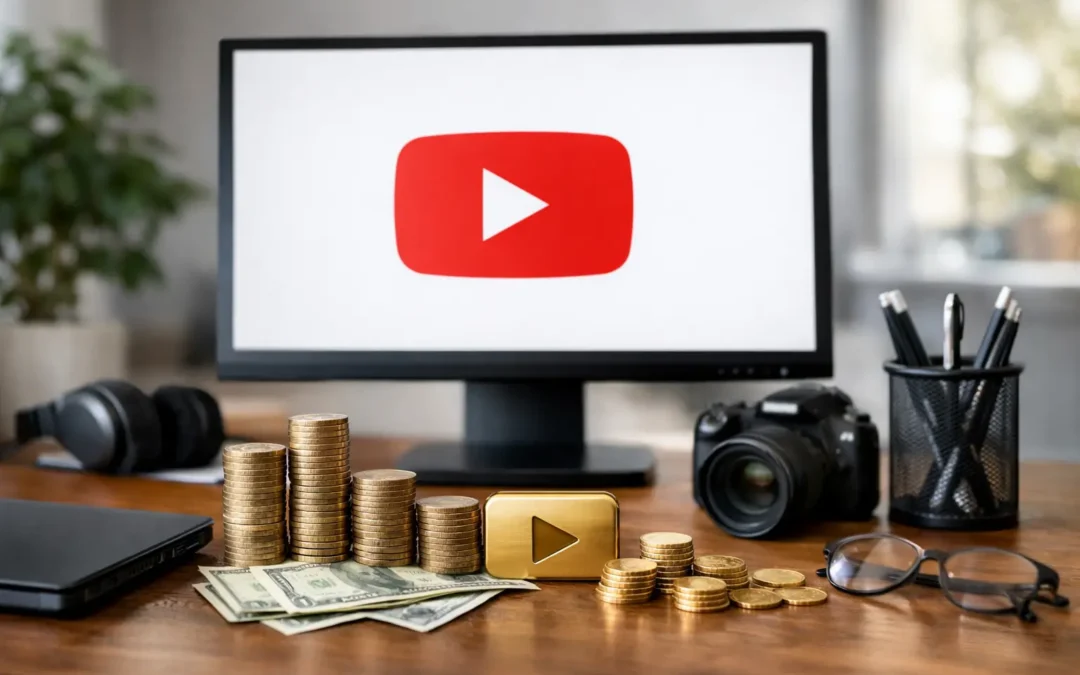
A lot of creators still think monetization starts when ads turn on. It does not. A strong youtube monetization guide 2026 starts earlier - with the kind of channel, audience, and content system that can generate revenue from more than one source.
That matters because YouTube income is getting more layered, not simpler. Ad revenue still plays a role, but it is rarely the whole business. For beginner and intermediate creators, the real opportunity in 2026 is building a channel that qualifies for monetization, keeps viewers engaged, and creates multiple paths to earn without making every video feel like a sales pitch.
What YouTube monetization means in 2026
Monetization on YouTube is no longer just about joining the YouTube Partner Program and collecting ad share. For most creators, it means combining platform features with business-minded channel strategy.
That usually includes ad revenue, fan funding features, affiliate income, sponsorships, digital products, services, and in some cases direct lead generation for a business. A tutorial channel may earn from ads and software partnerships. A personal finance creator may add courses or consulting. A local business channel may use YouTube less as a direct payout source and more as a customer acquisition engine.
So the right monetization plan depends on your niche, audience intent, and content format. A channel with lower views but strong buyer intent can outperform a broad entertainment channel with much higher traffic.
YouTube Partner Program basics
For most creators, the first milestone is qualifying for the YouTube Partner Program. Exact eligibility rules can evolve, so always verify the current requirements inside YouTube Studio. In general, creators need to meet thresholds tied to subscribers and watch behavior, while also following YouTube's monetization policies.
That second part gets overlooked. You can hit the numbers and still struggle if your content is repetitive, reused, misleading, or not advertiser-friendly. YouTube wants original value, clear ownership, and channels that fit its community and advertiser standards.
If you are early in your channel journey, focus less on the application button and more on building a clean foundation. That means original videos, consistent publishing, solid audience retention, and a niche that advertisers or buyers can actually connect with.
The channels most likely to monetize well
In 2026, the strongest monetization categories tend to share one trait: the viewer has a reason to act. They want to solve a problem, make a purchase decision, learn a skill, improve a result, or follow a trusted personality over time.
This is why channels in software, business, education, finance, productivity, health, home improvement, beauty, and hobby instruction often monetize well. The CPMs can be higher, but more importantly, the audience is easier to serve with offers beyond ads.
That does not mean entertainment channels cannot earn. They can. But they often need scale, high upload consistency, or strong brand deals to become meaningfully profitable.
The core revenue streams creators should understand
A practical youtube monetization guide 2026 needs to separate revenue streams by control level. Some are controlled mostly by YouTube. Others are controlled by you.
Ad revenue is the most familiar, but it is also the least predictable. Rates vary by niche, season, geography, video length, and advertiser demand. It can be a solid income layer, but it should not be your only plan.
Fan funding features, such as memberships, Super Chats, and similar tools, work best when you have a loyal audience that wants closer access or a way to support the channel. These features tend to reward community-driven creators more than search-only channels.
Sponsorships can become one of the highest-paying options, especially in business, tech, education, and lifestyle niches. But sponsorship money usually comes after you build trust, a clear audience profile, and a track record of consistent content.
Affiliate marketing remains one of the most practical monetization models for smaller creators. If your videos help viewers compare tools, choose products, or solve a problem, affiliate offers can outperform ads long before your channel reaches major scale.
Digital products and services give creators the most control. Templates, courses, coaching, consulting, paid communities, presets, and workshops all fit naturally when your content teaches something valuable. This is where many creators move from side income to real business income.
How to build a channel that earns before it gets big
A common mistake is chasing viral views before building monetization fit. Views matter, but not all views are equal.
If your audience is broad and passive, monetization options can stay weak even with decent traffic. If your audience is specific and motivated, you can start earning earlier. A channel teaching freelancers how to find clients may monetize faster than a general comedy channel with the same subscriber count.
Start by asking three questions. What problem does your viewer want solved? What kind of content keeps that viewer coming back? What offer naturally fits after they trust you?
That framework changes how you plan videos. Instead of posting random topics in your niche, you create content around intent. Search-based tutorials, comparisons, case studies, and beginner roadmaps often perform well because they attract people who are already looking for outcomes.
Content strategy that supports monetization
Creators often separate growth strategy from revenue strategy. That creates friction. The better approach is to make them support each other.
A healthy monetization strategy usually starts with content that is discoverable. Search-driven videos can bring in qualified viewers over time, especially in evergreen niches. Then you layer in trust-building content, such as personal experience videos, deeper tutorials, and problem-solving series that strengthen your authority.
From there, offer-driven content can work without feeling forced. If you review tools, affiliate recommendations make sense. If you teach systems, a template or course makes sense. If you build a strong community, memberships make sense.
The key is alignment. Monetization works best when the revenue source feels like a logical next step for the viewer.
Metrics that matter more than raw views
Views are useful, but they are incomplete. If your goal is revenue, pay closer attention to click-through rate, average view duration, returning viewers, and the conversion behavior tied to specific topics.
A video with 5,000 views can be more valuable than one with 50,000 if it attracts the right audience and leads to affiliate sales, leads, or subscribers who binge your content. This is why creators should study which videos attract high-intent viewers, not just high numbers.
Inside your analytics, look for topics that produce stronger watch time, better engagement, and more downstream action. Those are often your best monetization assets.
Mistakes that slow monetization
The biggest mistake is choosing a niche that has traffic but no clear revenue path. The second is relying entirely on ad revenue. The third is creating inconsistent content that confuses both viewers and the algorithm.
Another issue is promoting too early or too aggressively. If every video feels like a pitch, retention drops and trust suffers. Monetization should support the viewer experience, not interrupt it.
There is also the problem of weak positioning. If people cannot quickly understand who your content is for and why it is useful, monetization becomes harder across the board. Brands hesitate, viewers do not convert, and channel growth slows.
A simple monetization roadmap for 2026
If you are building from scratch, keep the process focused. First, choose a niche where audience intent is clear and repeatable. Second, publish content around specific problems, searchable questions, and practical outcomes. Third, qualify for the YouTube Partner Program while paying attention to content quality and policy compliance.
Once traction starts, add the revenue stream that best matches your audience. For some creators, that will be affiliate offers. For others, it will be sponsorships, services, or products. You do not need every monetization method. You need the right one for your channel stage.
As your library grows, refine around what converts. Tubeskill's approach to creator growth fits this well: build the foundation first, then expand with strategy rather than guesswork. Sustainable monetization rarely comes from doing more. It comes from doing the right things in the right order.
The real goal of YouTube monetization
The best creators in 2026 are not just trying to get paid by YouTube. They are building channels that create leverage. A single video can generate ad revenue, grow an email list, drive affiliate sales, bring in leads, and strengthen authority in a niche.
That is the mindset worth keeping. Monetization is not a finish line you reach after growth. It is something you design into your channel from the beginning, with patience, clarity, and a deep understanding of what your audience actually wants.
Start there, and revenue becomes a byproduct of strategy instead of a lucky break.