
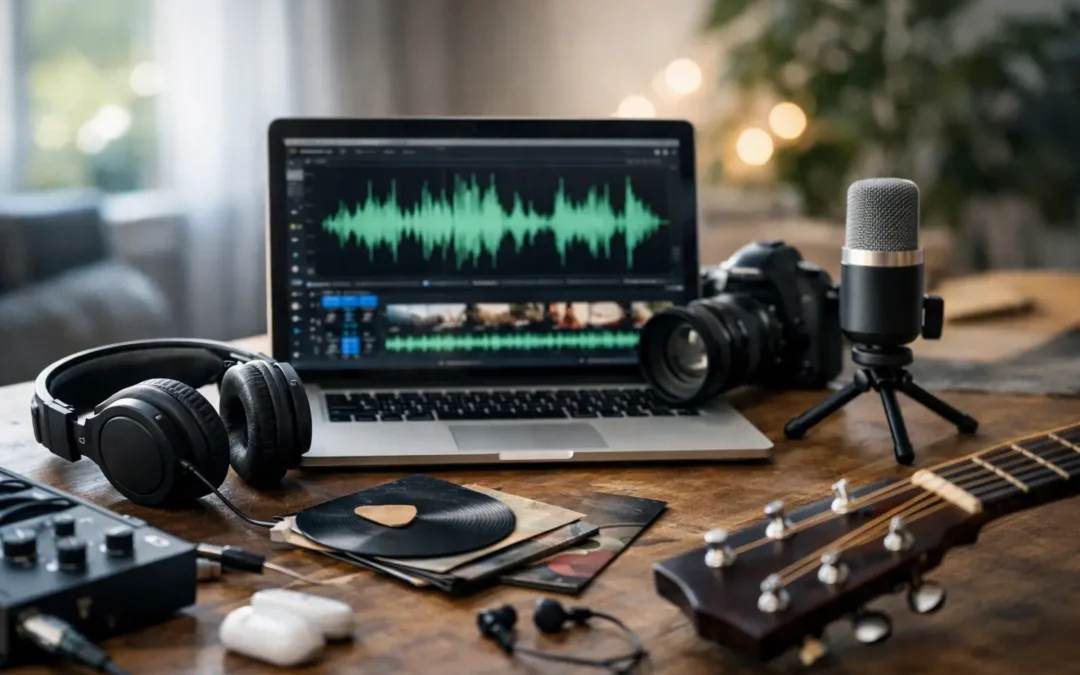
A great edit can feel flat the second it hits silence. The right background track gives a tutorial momentum, makes a product reveal feel more intentional, and helps viewers stay with your story. But finding the best free music for YouTube is not just about choosing a catchy beat. It is about finding music you can use confidently, credit correctly when required, and keep using as your channel grows.
For creators building a real channel, music should support the viewing experience without creating a copyright problem that costs time, revenue, or trust. Here is how to find it, choose it strategically, and build a workflow that protects your videos.
What "free" music for YouTube actually means
Free does not always mean copyright-free, public domain, or safe for monetized videos. A track may be free to download but limited to personal projects. Another may be available for YouTube use only if you provide attribution. Some licenses allow monetization but prohibit use in paid ads, client work, or projects that are later distributed elsewhere.
That distinction matters because YouTube uses automated rights-management systems to identify audio. A copyright claim is not always a channel strike, but it can redirect ad revenue, limit where a video is viewable, or force you to replace the soundtrack later. A strike is more serious and can affect your channel standing.
Before adding any track to an edit, answer three questions: Can you use it commercially? Is attribution required? Can the license change after you download it? Save the answers with the file, not just in a browser tab you may never find again.
Where to find the best free music for YouTube
The best source depends on your video format, monetization plans, and how much control you want over licensing. For most newer creators, starting with sources designed specifically for YouTube is the lower-risk choice.
Start with the YouTube Audio Library
YouTube's Audio Library is usually the most practical first stop. It is built for creators, includes music and sound effects, and lets you filter by genre, mood, duration, and attribution requirements. That makes it especially useful when you need a track for a specific moment, such as a calm study-video intro or an upbeat transition in a tutorial.
Still, read the track details. Some selections require credit in your video description, while others do not. Copy any required attribution language exactly and store it in your video-description template. This is a small habit that prevents a preventable issue.
The trade-off is familiarity. Because many creators use the same catalog, a popular track can make your video feel less distinctive. You can offset that by choosing less obvious cuts, using shorter sections, and building a consistent sound palette rather than relying on one viral-style song.
Use reputable royalty-free catalogs with clear terms
Several music libraries offer free plans or free collections alongside paid subscriptions. These can be useful when you want more modern genres, cinematic background music, or tracks organized around creator use cases. The important word is clear. A trustworthy library spells out what its license covers, whether monetization is permitted, and what happens if you cancel a plan or a track is removed.
Read beyond the word "royalty-free." Royalty-free usually means you do not owe ongoing royalties for each use under the license terms. It does not automatically mean the track is free, unrestricted, or yours to redistribute. If you are creating videos for a business client, running paid promotions, or repurposing content on other platforms, check those rights separately.
Treat Creative Commons music carefully
Creative Commons can be a valuable source of music, particularly for educational channels, documentaries, and creators who want more niche sounds. But Creative Commons licenses are not all the same. Some allow commercial use with attribution, some require you to share adaptations under similar terms, and some prohibit commercial use altogether.
For a monetized or growth-focused YouTube channel, avoid music marked noncommercial unless you have direct written permission from the rights holder. Also verify that the uploader actually owns the music. A Creative Commons label on a random upload is not proof of ownership.
Public-domain music can work, with one catch
Public-domain compositions can be excellent for history, classical, educational, and storytelling content. The catch is the recording. A centuries-old composition may be public domain, but a modern performance of it can still be protected by copyright. Use recordings that are explicitly licensed for your intended use, not simply a familiar classical piece you found online.
Choose music based on the job it needs to do
Creators often search by genre first. A better approach is to search by function. Ask what the music needs to accomplish in the scene.
For an educational video, choose a steady, low-distraction track that leaves space for your voice. Instrumental lo-fi, light acoustic guitar, or restrained electronic music often works well. For a channel trailer or a dramatic before-and-after reveal, choose a track with a clear build and an ending you can edit around. For Shorts, prioritize an immediate hook because viewers decide quickly whether to keep watching.
Tempo matters too. Fast pacing can add energy to product demonstrations, list videos, and travel edits. Slow tracks can make a how-to video feel sluggish unless the content itself is reflective or detailed. You do not need to match every cut to a beat, but aligning key transitions, on-screen reveals, and calls to action with musical changes makes a video feel more polished.
Think about brand consistency. If every upload uses a completely different musical identity, your channel can feel scattered. Create a small collection of approved tracks or styles for intros, tutorials, short-form content, and emotional moments. Over time, viewers begin to associate that sound with your channel.
Build a license workflow before you upload
The safest creators do not rely on memory. Create a simple folder or spreadsheet for every music file you use. Record the track title, artist, source, download date, license type, attribution text, and a screenshot or PDF of the license terms. If the source provides a license certificate, save that too.
Name the audio file in a way that makes it easy to identify later. Instead of leaving it as `track-final-2.mp3`, use a format such as `Artist_TrackName_Source_License.mp3`. When a claim appears months after publication, this organization can save hours of searching.
Upload your video as private or unlisted first and let YouTube complete its checks before scheduling it. This is not a guarantee that no future claim will occur, but it gives you a chance to catch obvious problems before viewers see the video. If YouTube flags the music, replace it rather than assuming the claim will resolve itself.
If you have proper rights, dispute a mistaken claim with the license documentation you saved. Do not dispute claims simply because a track was labeled "free" somewhere. A weak dispute can create more work and does not strengthen your position.
Mix music so your message stays clear
The best track can still hurt a video if it is too loud. Your voice is usually the priority in educational and business content. Set background music low enough that viewers understand every word without straining. Then listen on headphones, phone speakers, and a laptop speaker. A mix that sounds balanced on studio headphones may be overpowering on a phone.
Use music in sections rather than running the same loop at the same volume for ten minutes. Lower it under explanations, bring it up briefly during b-roll, and fade it out before an important point. If your edit contains a sponsor read, product pricing, or a key subscribe prompt, reduce distractions even further.
Avoid tracks with prominent vocals under narration. Even if the lyrics are clean, competing words pull attention from your message. Instrumental music is usually the safer choice for tutorials, reviews, and videos designed to build authority.
Mistakes that create avoidable copyright trouble
The biggest mistake is downloading music from a video labeled "no copyright" and treating that label as a license. Uploaders can mislabel content, lose rights, or upload music they never owned. Use a source with documented terms and keep evidence of your permission.
Another common mistake is assuming that credit replaces permission. Attribution is required only when a license says it is required. Giving credit to a commercial song does not make it legal to use. Likewise, buying a song or subscribing to a streaming service gives you listening rights, not synchronization rights for YouTube videos.
Finally, do not choose music only because it is trending. A trending sound may fit a short-form trend, but it can age quickly and may not support a long-term channel identity. Your content should be recognizable for its value first, with music strengthening the experience behind it.
Good music is not decoration. It is part of your retention strategy, pacing, and brand voice. Choose tracks with the same care you bring to your thumbnails and scripts, and your videos will feel more intentional from the first second to the final call to action.