

Retention on YouTube is decided in small moments. A viewer hesitates over the recommended feed, clicks, watches for twenty seconds, then either settles in or leaves. Engagement is what tips that decision toward staying. Comments, shares, poll answers, and replies all signal that a viewer has moved from watching passively to participating, and participants tend to stay longer than spectators.
The strategies below focus on that shift. They are built around a simple idea that runs through most solid engagement advice: content works better when the audience is treated as part of the process rather than the endpoint of it. Everything here applies to a channel of any size, and most of it costs nothing beyond a bit of planning.
Engagement and retention reinforce each other
Retention measures how long viewers stay with a video. Engagement measures what they do while they are there: whether they comment, share, and create responses to the content, and whether they develop a sense of trust in the channel behind it. Those two things feed one another.
A viewer with a reason to type a comment has a reason to keep watching until the moment that comment becomes relevant. A viewer who trusts a channel gives the next upload a few extra seconds before deciding to leave. Building engagement is therefore not a separate job from building retention. It is one of the more reliable ways to improve retention without changing a single frame of footage.
Start with the audience you are trying to keep
Knowing your audience is the first strategy on almost every credible engagement list, and for good reason. You cannot design participation for people you have not described. Before planning a video, be clear about who it is for, what they already understand, and what they are trying to solve this week.
Directly soliciting feedback makes that clearer. Surveys, comments, and social media polls that ask what content people find most valuable will tell you what your audience wants next far more accurately than guessing. Studying competitors does something similar from the outside: it shows which topics audiences reward and which ones they skip past.
Turn your comment section into a research archive
Read comments with a notebook open. Repeated questions are video ideas. Complaints about pacing or length are production notes. Strong opinions about a specific tool, technique, or format are signals about what to make next. A channel that answers the questions already sitting in its comment section is producing relevant content by default, and relevance is one of the strongest retention levers available.
Design participation into the video itself
Encouraging engagement works best when it is scripted rather than tacked on. Decide early where in the video you will ask for something, and make that ask fit whatever is happening on screen at that moment. Random calls to action feel like interruptions. Well placed ones feel like part of the explanation.
Ask for one specific comment, not a general opinion
A vague request for thoughts produces very little. A specific one produces replies. Compare “let me know what you think” with “tell me which of these two setups you are running and what broke first.” The second version is easy to answer, it is relevant to the topic, and it gives you information you can use in a future video. Specific prompts lower the effort of replying, and lower effort means more replies.
Use polls and feedback requests between uploads
Feedback gathering does not have to happen on YouTube. Surveys, community posts, and social polls can all ask which topic, format, or problem the audience wants addressed next. When results come back, say so on camera. Announcing what the audience chose and then making that video closes the loop and gives people a reason to keep participating.

Build emotional connection instead of hype
Audiences develop feelings of trust toward channels that consistently deliver what they promise. That trust is what carries a viewer through the slower middle section of a longer video, where most drop-off happens. Hype can win a click, but it does not survive the first tangent.
Trust is built through clear, direct messaging: saying what the video will cover, covering it, and being honest when something is a limitation rather than a benefit. It is also built by showing up in the same way each time. A recognizable structure, a consistent tone, and predictable quality give viewers a reason to expect the next minute will be worth their time.
Choose the right format for the point you are making
Format decisions are engagement decisions. Some ideas work as a straight explainer, others as a demonstration, a comparison, or a story. Choosing the right format keeps the video moving and keeps the viewer oriented.
Visual storytelling is part of that choice. Words and images should work together to deliver a clear, direct message at every stage, whether the goal is to inform or to persuade. If a concept is easier to show than to describe, show it. If a section is all talking and no visual change, that is usually where viewers drift away.
Put user-generated content to work
User-generated content is authentic, it is reliable in the sense that it comes from real users rather than a marketing script, and it tends to lift engagement substantially. Inviting viewers to submit their own results, setups, or responses gives them a stake in the channel and gives you material that costs nothing to produce.
The key is to use it deliberately. Do not drop submissions into a video at random. Give them a clear purpose, credit the people who sent them, and explain what the audience should notice about each example. When contributors see their work featured and credited, they tend to share the video, which extends its reach without any extra promotion.
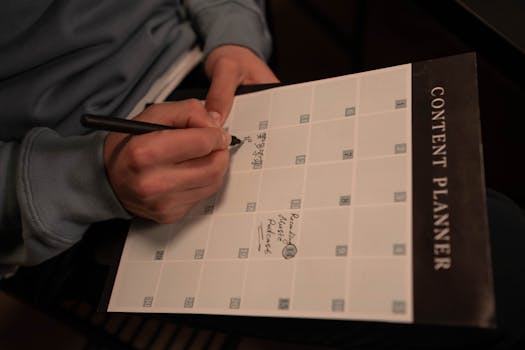
Respond to feedback and close the loop
Responding to feedback builds trust and loyalty, turning passive viewers into active participants. This is one of the simplest habits to adopt and one of the easiest to neglect once a channel gets busy. Replying to early comments in the first hours after publishing does two things: it rewards the people who showed up first, and it makes the comment section look like a place where conversation actually happens.
Closing the loop matters just as much. If someone leaves a detailed suggestion, mention it in a later video. If a poll produces a clear winner, build the follow-up around it. Viewers who see their input turned into content become repeat participants, and repeat participants are the viewers most likely to watch a video to the end.
Add value and relevance to every segment
Every section of a video should either answer the question the title promised or support the answer. Anything that does neither is a candidate for the edit. That is the practical version of adding value and relevance, and it is where most retention gains are won after the first thirty seconds.
Optimizing your content means applying this test to the whole package, not just the video. Titles, thumbnails, descriptions, chapters, and end screens all shape whether a viewer stays and whether they move on to another video afterwards. Clear and direct messaging throughout keeps expectations aligned, and aligned expectations are what prevent the disappointment that turns into an early exit.

Review old videos with the same standards
Engagement work does not stop at publication. Go back through your older uploads and ask whether each one still delivers on its promise. Some will need nothing. Others may need clearer titles, better descriptions, or a note pointing viewers toward a newer version of the same advice.
This is also where the research pays off. Comparing what the audience responded to across a year of uploads shows patterns that are invisible when you look at one video at a time. Those patterns should shape the next content plan more than any trend list.
Keep the loop running
The engagement strategies that improve retention are not complex, but they are cumulative. Ask your audience what they want, build participation into the video, respond when people show up, feature their contributions, and keep every segment relevant to the promise in the title. Repeat that cycle and the comment section becomes a research tool, the audience becomes a source of ideas, and retention improves because viewers have a reason to stay rather than a reason to click away.
Frequently Asked Questions
How do engagement strategies affect YouTube retention?
Engagement gives viewers a reason to keep watching. When someone intends to leave a comment, answer a poll, or see a featured submission, they stay for the part of the video where that happens. Active participation also builds trust in the channel, and viewers who trust a channel tend to give the next upload more time before deciding to leave.
Which engagement tactic is easiest to test first?
Start with a specific comment request. Pick the single most useful question your audience could answer about the topic and ask it once, clearly, at the point in the video where it becomes relevant. This requires no new tools and no editing changes, and the replies immediately tell you what your audience cares about.
Should I ask viewers to engage at the start or the end of a video?
Place the ask where it fits the content. A question tied to the opening can prompt early comments, while a request tied to a later section keeps viewers watching toward that moment. Multiple vague asks scattered through a video tend to be ignored. One clear, relevant ask is usually more effective than several generic ones.
How do I use polls and feedback requests without annoying viewers?
Keep them tied to decisions the audience actually cares about, such as which topic to cover next or which format works better. Ask once, report the result, and act on it. When people see their vote turning into a video, the request stops feeling like marketing and starts feeling like a genuine say in the channel.