
Most new creators do not fail because they lack talent. They fail because they start posting before they know what the channel is trying to do. If you're figuring out how to start a YouTube channel, the smartest move is not buying gear or designing a banner first. It is building a clear foundation so every video has a better chance to attract the right viewer.
That matters whether you want to become a full-time creator, support a business, or build an audience around a skill you already have. YouTube rewards clarity. When your topic, viewer, and video style make sense together, growth becomes easier to measure and improve.
How to start a YouTube channel with a real strategy
A good channel starts with positioning, not just setup. Before you create anything, decide what your channel will be about, who it serves, and why someone should watch you instead of the next ten creators in the same space.
This is where many beginners get stuck. They choose a niche that is too broad, like fitness, finance, or gaming, and then wonder why their early videos feel scattered. A better approach is to narrow the topic until it matches a specific viewer need. Instead of fitness, think at-home workouts for busy moms. Instead of finance, think budgeting for freelancers. Instead of gaming, think strategy guides for one specific title.
The goal is not to trap yourself forever. It is to make your channel understandable. A focused channel gives YouTube stronger signals and gives viewers a reason to subscribe.
Pick a niche that balances interest and demand
The best niche usually sits in the overlap between three things: what you can talk about consistently, what viewers are actively searching for, and what has business or monetization potential. If one of those is missing, the channel gets harder to sustain.
Passion alone is not enough if there is no audience. Search demand alone is not enough if you hate the topic after five videos. High monetization potential sounds great, but if the subject is too competitive for your current skill level, progress may be slow. This is one of those areas where it depends. A creator with deep expertise can enter a crowded niche more confidently than someone still learning basics.
Start by writing down five to ten video ideas in your chosen space. If that list comes easily and the ideas feel distinct, you likely have enough room to build. If every title sounds the same, the niche may be too narrow or underdeveloped.
Define your channel promise
Your channel promise is the practical outcome viewers can expect if they keep watching. It should be simple enough that a stranger understands it in a few seconds. For example, a channel might help new Etsy sellers make better product videos, teach beginner guitar players easy song breakdowns, or show local service businesses how to use YouTube for leads.
This promise shapes everything else - your titles, your thumbnails, your upload plan, even your intro. When creators skip this step, their content often feels random. When they get it right, the channel starts to feel intentional.
Set up your YouTube channel the right way
Once your strategy is clear, then move into setup. Creating the channel itself is easy. Creating one that looks credible from day one takes a little more thought.
Choose a channel name that is memorable, easy to spell, and broad enough to grow with you. Exact-match names can work, but they are not required. A strong name is often more useful than a keyword-stuffed one because it is easier to remember and build into a brand.
Your profile picture should be recognizable at a small size. If you are the brand, a clean headshot often works best. If the channel is business-led, use a simple logo with strong contrast. Your banner should quickly communicate what the channel is about and who it is for.
Then write an About section that explains the value of the channel in plain English. Do not try to sound impressive. Be specific about what viewers will learn and what kind of videos you publish.
Don’t overcomplicate your gear
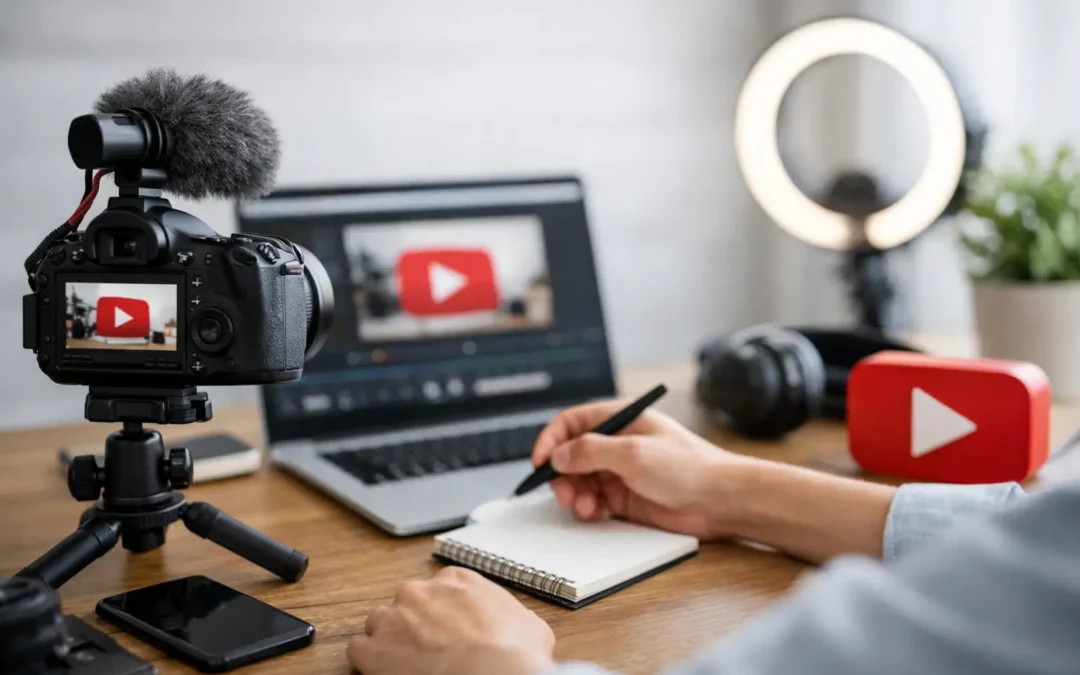
A lot of new creators burn time and budget here. You do not need a studio-quality setup to begin. You need clear audio, decent lighting, and a topic worth watching.
In most cases, a modern smartphone, natural light from a window, and an affordable microphone are enough to get started. Video quality matters, but viewers will forgive average visuals long before they forgive hard-to-hear audio or confusing content.
If your channel depends on tutorials, screen recordings, or product demos, prioritize tools that make those formats easier. If your content is face-to-camera, focus on framing, lighting, and sound first. The right setup depends on the type of videos you plan to make.
Plan your first videos before you publish anything
One of the best answers to how to start a YouTube channel is also one of the least exciting: do not launch with one video. Launch with a plan.
You want your first few uploads to work together. That does not mean they need to be a series, but they should make sense as a group. If someone enjoys one of your videos and clicks to your channel, they should immediately find related content that confirms they are in the right place.
A smart starting point is to create 5 to 10 video ideas around one clear topic cluster. Mix search-driven ideas with slightly broader audience-building topics. Search-based videos can help you get discovered early, while broader topics help shape your channel identity.
Focus on searchable topics first
For brand-new channels, searchable content is often the fastest way to get meaningful traffic. That means videos built around clear questions, problems, and beginner needs. Think in terms of what a viewer would type into YouTube when they want help right now.
This approach is especially useful if you do not yet have an audience to push videos through browse or suggested traffic. Search gives new creators a practical starting lane. It may not produce overnight growth, but it can produce useful early signals.
That said, not every niche behaves the same way. Entertainment-heavy channels may rely less on search and more on packaging, personality, and trend timing. Educational and business-focused channels usually benefit more from search intent early on.
Make videos people can actually watch
A good topic gets the click. A good video earns the watch time.
That starts with the opening. Your first 15 to 30 seconds should confirm the viewer is in the right place and make the next minute feel worth staying for. Skip long branded intros. Get to the point quickly, set the expectation, and move into the value.
Structure matters more than most beginners realize. Even simple videos need momentum. Explain what the viewer will get, break the content into clear sections, and remove anything that slows the pace without adding value. Tight editing is not about making everything flashy. It is about respecting attention.
You also do not need to sound polished in a corporate way. You do need to sound clear and confident enough that viewers trust you. That improves with practice, not perfection.
Use YouTube SEO without turning robotic
YouTube SEO helps your videos get understood by the platform, but it should never make your content feel unnatural. The goal is alignment between what viewers want, what your video delivers, and how you package it.
Start with the title. Make it specific, clear, and compelling. Then create a thumbnail that supports the same promise without repeating the title word for word. When the title and thumbnail work together, click-through rate tends to improve.
Use your main keyword naturally in the title, description, and spoken content when relevant. Add a description that gives context, not filler. Choose a file name, category, and tags thoughtfully, but do not expect tags to carry the strategy. They are a small signal compared with topic choice, retention, and click appeal.
If you are using a platform like Tubeskill to sharpen your content strategy, this is the stage where structured guidance can save a lot of trial and error.
Measure the right things early
New creators often obsess over subscribers because it is the easiest metric to notice. It is not always the best one to improve first.
In the beginning, pay closer attention to click-through rate, average view duration, and which topics earn the strongest response. Those metrics tell you whether people are interested enough to click and satisfied enough to keep watching. A video with modest views but strong retention can teach you more than a video that gets random traffic and loses people instantly.
Treat your first 20 to 30 videos as a testing period. You are not just publishing content. You are collecting evidence about what your audience responds to. Some ideas will miss. That is normal. The creators who grow are usually the ones who adjust faster, not the ones who guessed perfectly from day one.
Stay consistent without burning out
Consistency matters, but many beginners define it the wrong way. It does not mean posting as often as possible. It means choosing a pace you can sustain while keeping quality high enough to build trust.
For some creators, one strong video per week is the right rhythm. For others, two per month is more realistic and still effective. The better schedule is the one you can maintain for the next six months without resenting the process.
Give yourself room to improve one layer at a time. Fix your topic selection, then your hooks, then your editing, then your thumbnails. Trying to perfect everything at once usually leads to stalled momentum.
Starting a channel is less about making a grand entrance and more about building a system you can keep showing up for. Start clear, stay teachable, and let each video make the next one smarter.