
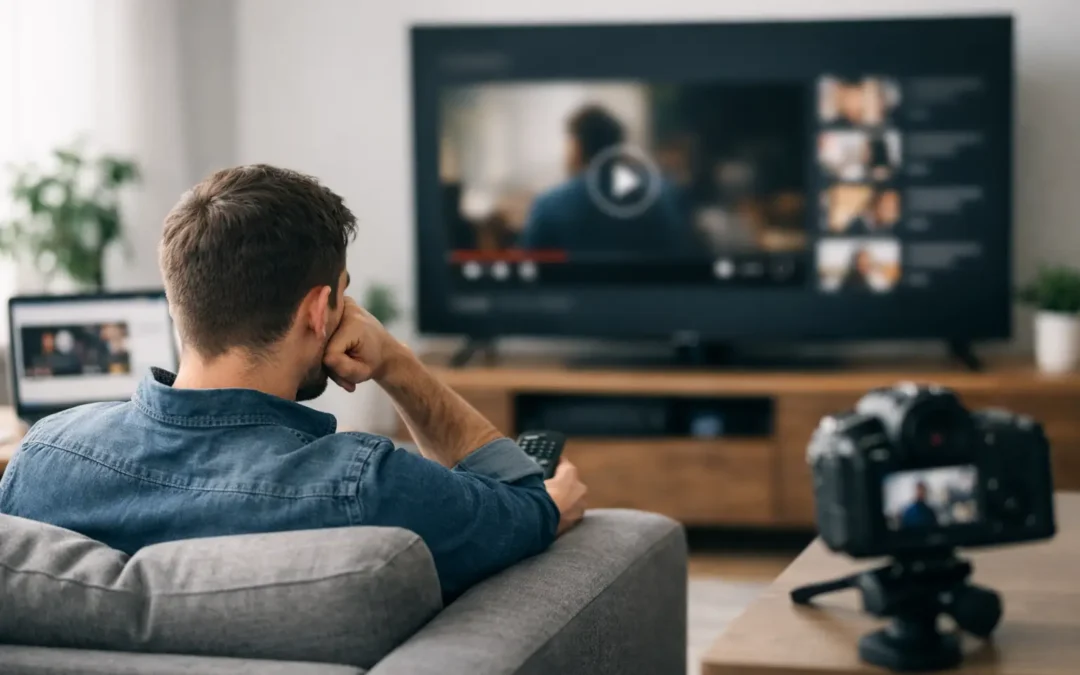
A channel can hit a milestone like 1,000 subscribers and still have new uploads stall at 80 views. That gap is exactly why creators search for why subscribers not watching, and the answer is usually less dramatic than it feels. In most cases, your subscribers are not ignoring you because your channel is doomed. They are responding to how YouTube actually works, how their interests have shifted, and how clearly each video earns the click.
This is one of the most misunderstood parts of YouTube growth. Subscriber count looks like a built-in audience, but subscribers are not a guaranteed distribution system. A subscription is more like a light signal of interest. It tells YouTube someone cared enough to follow your channel at some point. It does not mean they will see every upload, want every topic, or choose your video over everything else competing for their attention that day.
Why subscribers not watching is so common on YouTube
YouTube does not push every new video to every subscriber. The platform tests videos with small segments of likely viewers first. If the click-through rate is weak, watch time drops quickly, or viewers leave early, the video may not spread much further, even among people who subscribed.
That means low subscriber views are not always a loyalty problem. Often, they are a packaging problem or a topic-match problem. If your title and thumbnail do not create a clear reason to click, even loyal viewers may skip. If your topic is only loosely connected to what they subscribed for, they may not feel the video is for them.
There is also a timing issue. Some subscribers followed you months or years ago. Their interests may have changed. They might be less active on YouTube now, or they may still watch your niche but prefer shorter videos, more advanced tutorials, or a different style than when they first subscribed.
The biggest reasons subscribers stop watching
The most common cause is topic drift. A creator starts with one clear value proposition, then slowly broadens the channel. For example, someone grows with beginner YouTube tutorials, then shifts into personal vlogs, gear opinions, and business motivation. None of those topics are bad, but they attract different levels of interest from the same subscriber base.
A second issue is inconsistent audience intent. If people subscribed because you solved a specific problem, they expect more of that outcome. When new uploads become more about what the creator wants to say than what the viewer wants to achieve, return viewership drops. This is especially common on educational channels.
Packaging is another major factor. Even strong videos get ignored if the title is vague or the thumbnail does not communicate a clear result. Subscribers still make fast decisions. They are not studying your upload with patience. They are scanning a crowded homepage and choosing what feels most relevant right now.
Then there is publishing inconsistency. If you disappear for long stretches, your audience loses the habit of watching you. When you return, some subscribers may not recognize your channel immediately or may no longer feel connected to your content rhythm.
Quality gaps matter too, but not always in the way creators assume. Viewers will forgive basic production if the content is useful, focused, and engaging. They are less forgiving when the first 30 seconds feel slow, the value is buried, or the video promises one thing and delivers another.
Subscriber count is not the same as active audience
Many creators treat subscribers as if they are all current fans. In reality, every channel has inactive subscribers. Some are old viewers who no longer use YouTube often. Some subscribed for one viral video and never connected with your broader content. Some liked a very specific subtopic that you rarely cover now.
This is why a smaller channel can outperform a larger one on a per-video basis. A creator with 5,000 highly aligned, active subscribers may get better early performance than a channel with 50,000 loosely connected subscribers from mixed topics.
If your view count looks low compared with your subscriber count, do not assume your channel is failing. Look at whether the right viewers are watching, how long they stay, and whether they return. A focused audience is more valuable than a large but disconnected subscriber base.
How to tell what is actually causing the drop
Start with your recent uploads, not your overall channel average. Look for patterns. Did views drop after a topic change? Do certain video formats still perform well while others underperform? Are your top videos aimed at beginners, while your recent uploads speak to advanced viewers?
Next, compare impressions click-through rate and audience retention. If click-through rate is weak, your issue is often title, thumbnail, or topic appeal. If click-through rate is decent but retention falls hard in the first minute, your packaging may be attracting the wrong viewer or your opening is not delivering on the promise.
Then review traffic sources. If subscriber-heavy videos are declining but search-driven videos still perform, your audience may not be disengaged with your niche. They may just need clearer reasons to click your uploads. If browse and suggested traffic are low across the board, YouTube may not be seeing strong enough viewer response early on.
Comments can also help. Not because every comment gives strategy insight, but because the language viewers use reveals what they value. If they keep praising one style of tutorial, one level of detail, or one recurring format, that is useful direction.
How to fix low subscriber viewership without chasing random trends
The first move is to tighten your content promise. Ask a simple question: what does someone expect after subscribing to this channel? If the answer is fuzzy, your uploads will feel inconsistent even if they are individually good.
Create stronger topic clusters. Instead of jumping between unrelated ideas, build several videos around the same problem, audience stage, or outcome. This helps subscribers understand what your channel is about and gives YouTube a clearer sense of who to recommend your content to.
Improve your packaging before you improve your camera setup. Better thumbnails and titles often create faster gains than better gear. Focus on clarity over cleverness. A subscriber should instantly understand what the video is about, who it helps, and why it matters now.
Make your openings earn attention quickly. You do not need artificial hype. You do need momentum. State the problem, preview the result, and move into value fast. If you spend too long on branding, greetings, or background context, viewers have more chances to leave.
It also helps to publish with more consistency. That does not mean daily uploads for everyone. It means choosing a pace you can sustain so viewers and the platform can build expectations around your content.
What to do if your subscribers came from the wrong content
This is a harder case, but it is common. Maybe one viral video brought in subscribers who cared about a narrow topic that does not reflect your main direction. Or maybe older content attracted a different audience than the one you want to build now.
In that case, trying to please everyone usually makes things worse. It is often smarter to accept a transition period and create content for the audience you actually want long term. That may lower broad appeal for a while, but it strengthens channel identity.
You can make the shift easier by creating bridge content. Instead of moving abruptly from one topic to another, connect the old audience to the new direction with videos that overlap both interests. For example, a creator moving from basic editing tips into YouTube growth strategy could make videos about editing for retention or beginner workflows that improve channel performance.
This is where discipline matters more than emotion. A video underperforming with old subscribers does not automatically mean the new strategy is wrong. It may mean you are rebuilding alignment.
Why some subscribers are still valuable even if they do not watch
Subscribers who do not watch every upload are not useless. They can still contribute to brand credibility, occasional spikes in traffic, and future reactivation if a topic becomes relevant again. But they should not be your main performance benchmark.
A better goal is building a strong base of returning viewers. Return viewers signal active interest. They are more likely to watch longer, comment, trust your recommendations, and become customers if your channel supports a business.
For growth-focused creators, this shift in mindset matters. Tubeskill-style strategy is not about collecting subscribers like trophies. It is about building repeatable viewer response around clear content positioning.
If you are frustrated because your subscriber count looks impressive but your views do not, take that frustration as a signal to refine, not panic. The fix is usually not more content. It is more relevant content, packaged better, delivered with stronger intent. When your videos consistently match what the right viewer wants next, subscribers start acting less like a vanity metric and more like a real audience.
Keep your attention on alignment. The creators who grow steadily are not the ones who expect every subscriber to watch. They are the ones who keep giving the right viewers a clear reason to come back.