
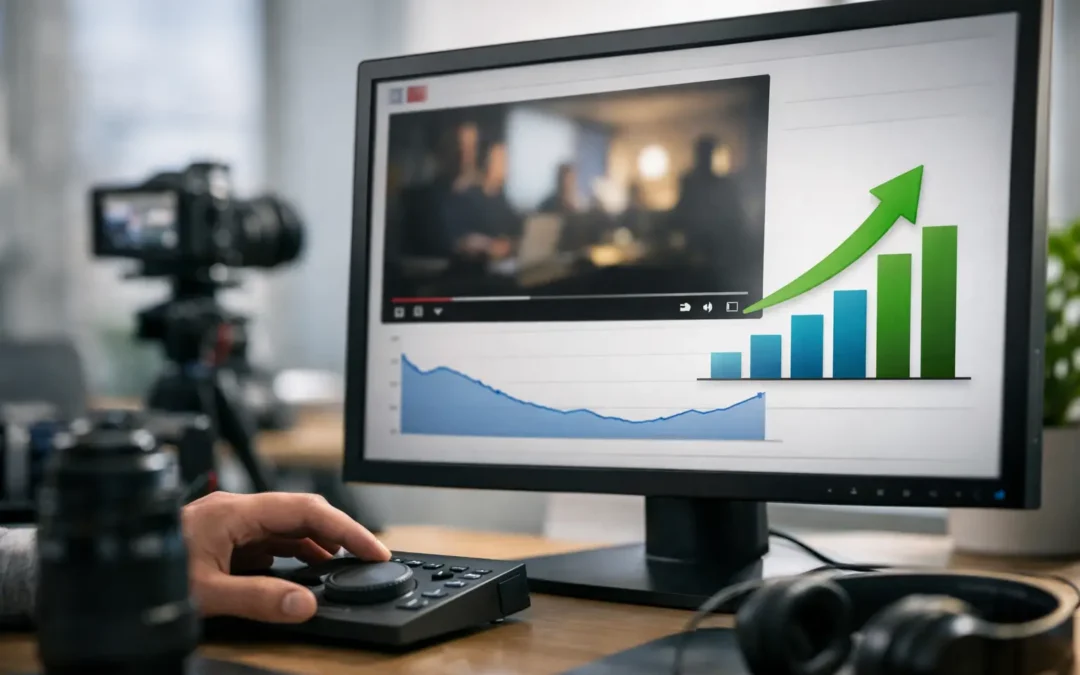
A viewer clicks because your title and thumbnail made a promise. They keep watching only when the video starts delivering on it immediately. That is the real answer to how to improve video retention: make every moment feel like the next moment is worth the viewer's time.
For creators, retention is more than a percentage in YouTube Analytics. It affects how much watch time your channel earns, how confidently YouTube can recommend your content, and whether new viewers become returning viewers. You do not need movie-level production to improve it. You need a clearer viewer promise, tighter editing, and the willingness to learn from where people leave.
Start With the First 30 Seconds
The opening is where many otherwise useful videos lose momentum. A slow greeting, a long channel intro, or a vague setup gives viewers an easy reason to click away. On YouTube, attention is not assumed. It has to be earned quickly.
Start by confirming what the viewer came for. If your title promises a way to edit faster, show the faster workflow or state the result in the first few seconds. Then give the viewer a reason to stay: tell them what they will learn, what mistake they will avoid, or what outcome they can expect by the end.
A strong opening often has three parts: the problem, the payoff, and a hint of the path ahead. For example: “If your Shorts are getting views but not subscribers, this one setting may be the reason. I’ll show you where it is, how to change it, and what to do next.” That is more compelling than “Hey guys, welcome back to the channel.”
Avoid overpromising. If the video cannot support a dramatic claim, viewers will notice the mismatch and leave anyway. The goal is not a louder hook. It is an honest, specific hook that leads naturally into the content.
How to Improve Video Retention With Better Structure
Good retention usually begins before you press record. Creators often lose viewers because they explain everything they know instead of organizing what viewers need to know first.
Build your video around a single central question. A tutorial might answer, “How do I create a clickable YouTube thumbnail?” A strategy video might answer, “Why are my impressions high but views low?” Every section should move the viewer closer to that answer.
Before filming, outline the video in a simple progression: what the viewer needs to understand first, what they need to do next, and what result they should be able to achieve. This prevents repeated points and long detours that weaken pacing.
Use Open Loops Carefully
An open loop is a reason to keep watching because something useful is still coming. You might mention that the final step is where most creators make a costly mistake, then deliver that step later in the video. This can work well when the payoff is relevant and substantial.
The trade-off is trust. If you repeatedly tease a “secret” that turns out to be obvious, viewers will feel manipulated. Use open loops to organize genuine value, not to delay the answer your title already promised.
Put the Best Material Earlier
Many creators save their strongest insight for the end. That can make sense for a case study or a reveal-based video, but it is risky for most tutorials. Give viewers an early win. Show a useful example, a before-and-after result, or a quick setting they can change right away.
Once viewers see that your advice is practical, they are more likely to stay for the deeper explanation. You are building confidence that the next few minutes will be worthwhile.
Tighten Pacing Without Making Videos Feel Rushed
Pacing is not simply talking faster or cutting every pause. It is the rate at which the viewer receives useful information, visual change, and forward progress.
Start by removing dead weight. Cut repeated explanations, long pauses, unnecessary screen recordings, and background details that do not help the viewer make a decision. If a sentence does not clarify, demonstrate, or move the story forward, it probably does not belong.
Then add visual support where it improves understanding. In a tutorial, zoom into the button you are clicking. In a talking-head video, show the analytics graph, example thumbnail, or creator dashboard you are discussing. Visual changes can reset attention, but they should support the message rather than distract from it.
A useful rule is to change something when the viewer's attention naturally begins to drift. That could be the camera framing, a screen share, B-roll, on-screen text, or the type of example you use. You do not need an effect every three seconds. Over-editing can make educational content exhausting, especially for viewers trying to follow a process.
Match the Video to the Click
Retention problems are often packaging problems in disguise. If the thumbnail suggests one topic but the video spends two minutes on another, viewers leave because they feel they clicked into the wrong experience.
Review your title, thumbnail, and opening together. Do they all point to the same viewer problem and outcome? A video titled “Best YouTube Niches for Beginners” should quickly address niche selection, not spend most of its opening explaining how YouTube monetization works.
This does not mean every title needs to reveal the full answer. Curiosity still matters. But the curiosity should be connected to what the video genuinely delivers. Accurate packaging brings in better-fit viewers, and better-fit viewers tend to watch longer.
Make Your Explanations Easier to Follow
Creators sometimes mistake complexity for expertise. Your viewer is more likely to stay when the lesson feels clear, achievable, and grounded in an example.
Use plain language first, then introduce technical terms when they are necessary. Instead of saying, “Optimize for audience satisfaction signals,” explain that viewers need to feel the video answered the question they clicked for. The idea is the same, but one version is easier to apply.
Examples are especially powerful for beginner and intermediate creators. If you recommend a stronger hook, show a weak hook beside a better one. If you explain retention graphs, describe what a sharp drop at 20 seconds may mean in a real video. Specific examples turn advice into something viewers can use on their next upload.
It also helps to acknowledge when the answer depends on the format. A fast-paced entertainment channel may need more frequent pattern changes than a detailed software tutorial. A 30-minute podcast clip can tolerate a calmer pace if the conversation is compelling and clearly edited. Retention is not about copying someone else's editing style. It is about meeting your audience's expectations for that type of video.
Use Retention Analytics to Find the Real Problem
YouTube's audience retention report shows you where viewers stop watching, rewatch sections, or stay engaged longer than expected. Treat it as audience feedback, not a report card.
Start with the first major drop. If viewers leave in the first 15 to 30 seconds, check whether your opening takes too long to reach the point, fails to match the title, or lacks a clear payoff. If a drop happens during the middle of the video, revisit that section and look for repetition, an unclear transition, or a stretch where the visuals do not support the explanation.
Spikes can be just as useful. They may indicate a moment viewers rewatched because it was valuable, confusing, or easy to miss. Watch that section closely. If it is valuable, consider bringing similar practical moments earlier into future videos. If it is confusing, improve the explanation with a clearer example or visual cue.
Do not overreact to one upload. Compare several videos with similar lengths and topics. A retention curve from a five-minute tutorial should not be judged the same way as a 25-minute deep-dive. Look for recurring patterns: are viewers leaving during introductions, during sponsor-style interruptions, or whenever you switch from examples to theory?
Build Retention Into Your Next Upload
The fastest way to improve is to change one or two things at a time. For your next video, try replacing the greeting with a direct outcome statement. On the video after that, plan visual examples for every major point. Small, deliberate tests make it easier to see what your viewers respond to.
Keep a simple note after each upload: what the video promised, where the largest retention drop occurred, and what you would change next time. Over time, this becomes your channel's own playbook. Tubeskill's growth-minded approach starts here: not with chasing a perfect retention number, but with making each new video more useful, focused, and watchable than the last.
Your viewers are telling you what they need through their behavior. Listen closely, make the next video easier to stay with, and give your channel more chances to earn the second click.